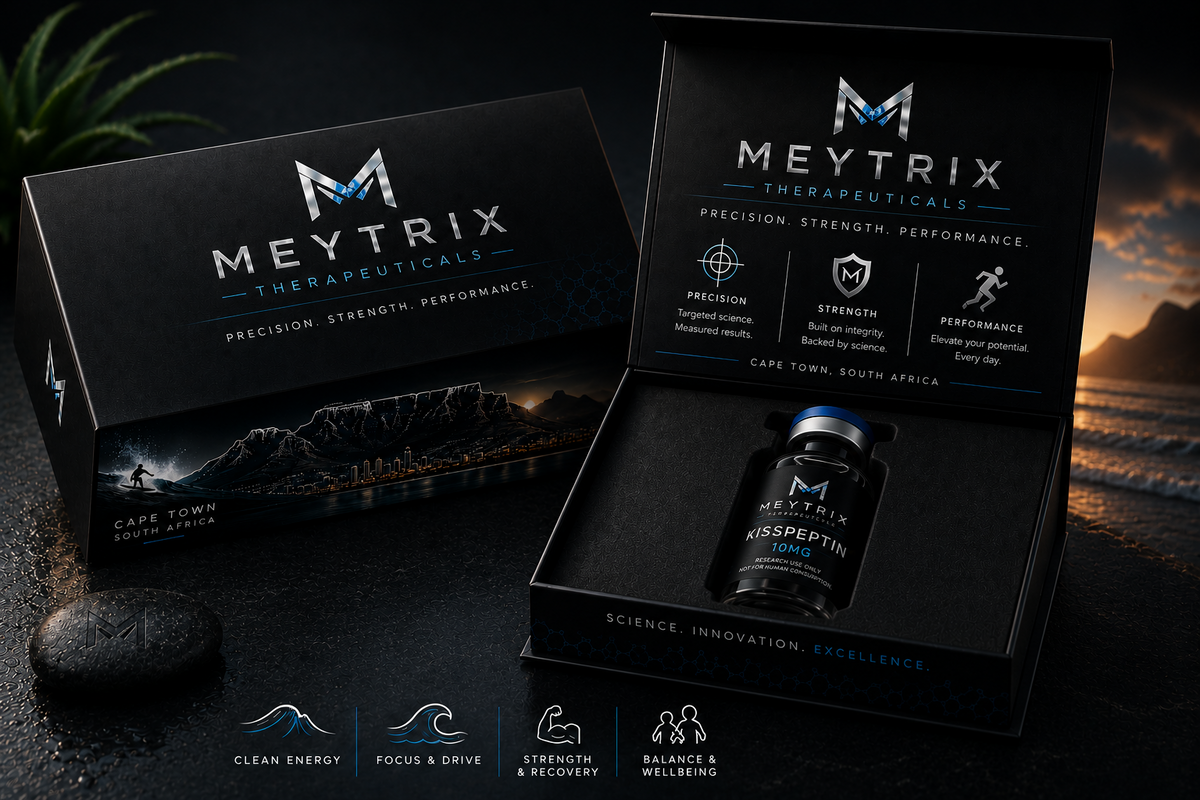
KISS-peptin
KISS-peptin
Couldn't load pickup availability
- Boosts Libido: Kisspeptin activates key brain regions tied to romantic and sexual attraction . Clinical trials show it significantly improves sexual desire and arousal in both men and women.
- Stimulates Natural Hormones: Unlike traditional hormone therapies (like TRT) that shut down your body's own hormone production, kisspeptin works upstream to help your body make its own testosterone or estrogen .
- Preserves Fertility: By regulating natural hormone rhythms, kisspeptin prevents the testicular shrinkage and infertility sometimes caused by external testosterone.
- Supports Reproductive Health: Kisspeptin can help trigger ovulation, balance hormones, and restore menstrual cycles in women with conditions like hypothalamic amenorrhea.
Low Dose (100 to 300 mcg): This range has been used in studies aimed at gentle stimulation of hormone production, especially in individuals with sensitive hormonal systems or lower baseline function.
- Ideal for exploring hormone balance, menstrual regulation, or early hormone support without overwhelming the system
- Often used at the beginning of a longer-term protocol to gradually activate natural GnRH and LH production
- May suit individuals recovering from chronic stress, overtraining, or subtle reproductive suppression
Mid-Range Dose (300 to 500 mcg): This is the most commonly studied range in fertility and hormone support research. It offers more consistent stimulation of GnRH, which boosts LH and FSH, often leading to improved testosterone production in men and ovulation support in women.
- Ideal for fertility research, hormone replacement alternatives, or libido support
- Often used daily for 2 to 4 weeks or cycled in regular intervals
- Provides a noticeable but balanced physiological response without excessive overstimulation
High Dose (600 mcg to 1 mg): Higher doses have been used in clinical settings like IVF or when a strong hormonal surge is needed in a short period of time. These doses create stronger hormonal pulses that may trigger ovulation or boost testosterone rapidly, but they are not typically used long-term.
- Useful in controlled, short-term settings where rapid hormonal shifts are desired
- Not typically recommended for individuals trying to restore natural hormone rhythm over time
- May carry a higher chance of overstimulation, especially in individuals with already elevated LH or FSH levels
Choosing the Right Dose
- If hormone levels are severely suppressed or non-functional, a higher dose may be needed initially to “wake up” the system.
- If the goal is to maintain or gently nudge hormone function (such as during a recovery or post-cycle support), starting at the low-to-mid range is often preferred.
- It’s often wise to start low and increase gradually, observing how the body responds. This mirrors research models and helps reduce the chance of side effects.
Share