1
/
of
1
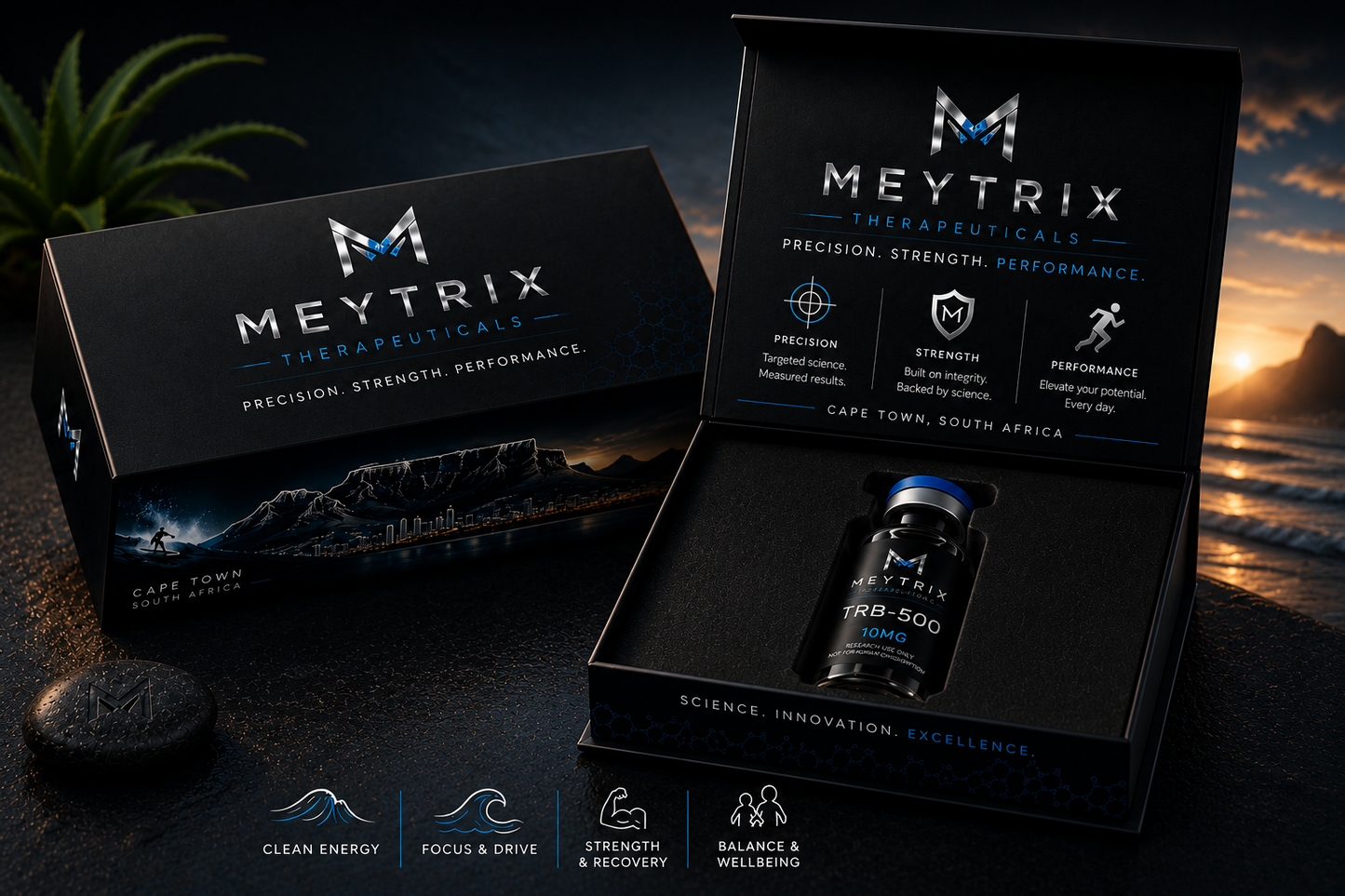
TB-500
TB-500
Regular price
R 650.00 ZAR
Regular price
Sale price
R 650.00 ZAR
Taxes included.
Shipping calculated at checkout.
Quantity
Couldn't load pickup availability
TB-500 is a synthetic peptide that mimics Thymosin Beta-4 (TB-4), a naturally occurring protein. It is heavily researched by athletes and alternative medicine advocates for its purported ability to accelerate the healing of muscles, tendons, and ligaments, reduce inflammation, and promote new blood vessel growth (angiogenesis).
How It Works
TB-500 operates primarily by regulating actin, a protein essential for cell structure and movement.
- Cell Migration: By managing actin, it helps healing and repair cells migrate directly to the site of an injury.
- Angiogenesis: It stimulates the growth of new blood vessels, ensuring the damaged tissue receives vital nutrients and oxygen.
- Inflammation Reduction: It helps modulate inflammatory pathways, lowering swelling and discomfort in joints and soft tissues.
Uses and Evidence
While it is widely discussed in wellness and sports communities, the bulk of its efficacy data comes from animal studies, and it lacks rigorous human clinical trials.
- Veterinary Use: It is commonly sold as a healing agent for racehorses and other animals.
- Human Use: In people, it is often used off-label to recover from persistent soft-tissue and overuse injuries.
- Administration: It is typically administered as a subcutaneous injection, sometimes following a loading phase of higher doses in the first 4 to 6 weeks.
Share